Siding That Survives High-Altitude Exposure
Metal Siding in Antonito for properties subjected to San Luis Valley wind and ultraviolet intensity
High-altitude UV exposure and San Luis Valley wind require exterior cladding that will not warp, fade, or pull away from framing over time, which makes steel siding the durable choice for residential properties in this climate. Vinyl siding becomes brittle after years of intense sunlight at elevation, and wood cladding splits when moisture freezes inside the grain during mountain winters, but steel panels maintain their structural integrity and appearance through decades of thermal cycling and weather exposure. Heritage Roofing & Siding installs steel panel siding with the same flashing and sealing standards applied to roofing work, so water intrusion at window and door openings is prevented rather than discovered years later when interior damage appears.
Metal siding installation involves more than fastening panels to the wall—it requires flashing every transition where the cladding meets windows, doors, corners, and roof edges, because these junctions are where water enters if the detail work is skipped. Heritage flashes and seals each opening during installation, the step most siding-only crews skip that leads to rot behind trim boards and mold growth inside wall cavities. Steel panels provide a weather barrier that does not degrade under UV radiation or crack when temperatures drop below zero, which means the cladding continues to protect the framing and insulation without requiring replacement every fifteen years.
Request a site-specific estimate to review panel options and installation details for your property.
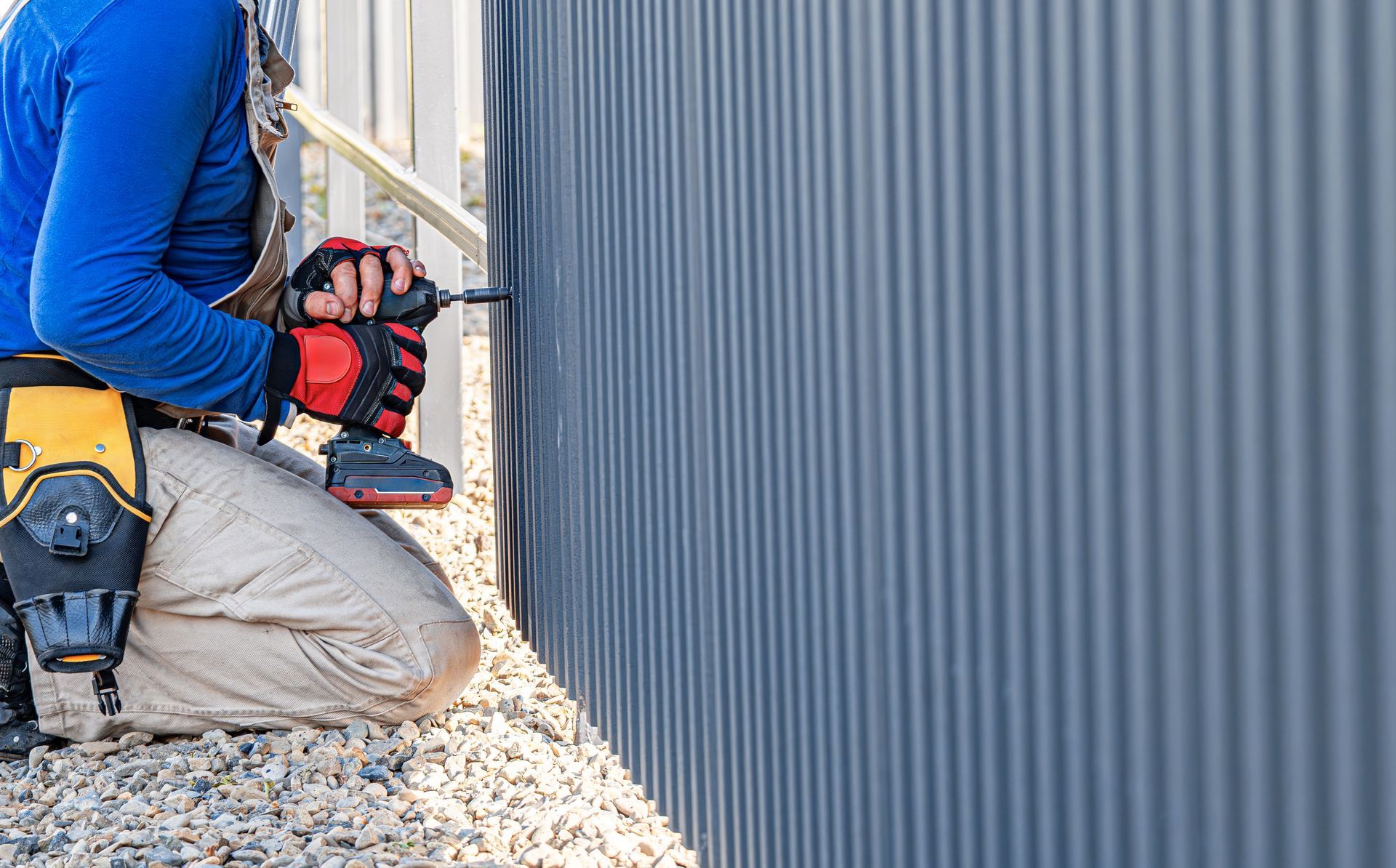
Proper metal siding installation treats each window and door opening as a waterproofing detail that requires flashing tape, sealant, and overlapping joints that shed water down and away from the opening rather than allowing it to wick behind the cladding. Heritage applies the same roofing-grade flashing techniques to siding transitions that prevent leaks on complex rooflines, because the principles of water management are identical whether the surface is horizontal or vertical. Corner trim is sealed before panels are installed, and J-channel around windows is caulked at the top to stop water from running behind the trim during monsoon rains.
After installation, your walls are protected by a continuous steel barrier that deflects wind-driven rain, sheds snow, and reflects summer heat rather than absorbing it into the wall assembly. You no longer repaint every few years or replace warped boards, and the exterior maintains its color and profile without fading or cracking. The cladding remains tight to the framing through freeze-thaw cycles because steel does not expand and contract at the same rate as wood or vinyl, which reduces fastener pullout and panel distortion.
Licensed and insured installation means the work meets manufacturer specifications and local building standards, so warranties remain valid and inspections pass without requiring corrections. Heritage operates as a roofing and siding contractor, not a siding-only installer, which means the crew understands how water moves across exterior surfaces and where failures occur when details are ignored.
Common Questions About This Service
Homeowners considering metal siding in the San Luis Valley and northern New Mexico typically want to know how steel panels perform compared to other materials, what the installation process involves, and how long the cladding lasts in mountain weather conditions.
How does metal siding handle freeze-thaw cycles compared to wood or vinyl?
Steel does not absorb moisture, so it does not crack or warp when water inside the material freezes and expands, which makes it more stable than wood or vinyl in climates with repeated freeze-thaw events.
What does flashing a window opening during siding installation involve?
Flashing involves applying waterproof tape over the nailing flange, sealing the top edge with caulk, and overlapping the siding panels so water runs down the face rather than behind the trim.
Will metal siding fade or chalk under high-altitude UV exposure?
Quality steel panels are coated with baked-on finishes that resist UV degradation far better than paint or vinyl, maintaining color and gloss for decades without requiring refinishing.
Why does Heritage's roofing background matter for siding installation?
Roofing-grade flashing and sealing techniques prevent water intrusion at transitions, which is critical for siding because most failures occur where the cladding meets openings rather than in the field of the wall.
How long does metal siding last in Antonito and surrounding areas?
Steel siding typically lasts fifty years or more in mountain climates when installed correctly, outlasting wood and vinyl by decades without requiring replacement due to weather damage or material breakdown.
Heritage Roofing & Siding handles metal siding with roofing-grade attention to detail, treating every transition as a waterproofing junction rather than a cosmetic finish. Free estimates provide panel options and installation timelines based on your specific building configuration. Arrange a consultation to review how steel siding protects your property long-term.