Wood Cladding Installed to Last Decades
Wood Siding in Antonito for homes where moisture management and elevation require proper installation standards
Older Conejos County and Rio Grande corridor homes have original wood siding that absorbs moisture from monsoon season and cracks under hard mountain winters, so proper moisture management during installation is not optional at this elevation. Wood installed without a moisture barrier or back-priming fails within a few seasons as water migrates through the grain, freezes, and splits the boards from the inside out, which leads to paint failure, rot, and structural damage behind the cladding. Heritage Roofing & Siding applies moisture barriers and back-primes every piece of wood siding before installation, then inspects and addresses sheathing or framing moisture damage during replacement jobs, so the substrate is sound before new cladding goes on.
The prep work happens before the first board is installed rather than being discovered as a problem after the job is underway, which prevents schedule delays and cost overruns caused by hidden damage that should have been identified upfront. Wood siding in the San Luis Valley performs well when installed correctly, but punishes shortcuts with rapid deterioration that requires full replacement within ten years instead of lasting three decades. Back-priming seals the wood on all six sides so moisture cannot enter from behind, and the moisture barrier between the cladding and sheathing stops water vapor from migrating into the wall cavity where it condenses and causes mold growth.
Schedule an evaluation to determine whether your existing siding can be repaired or requires full replacement.
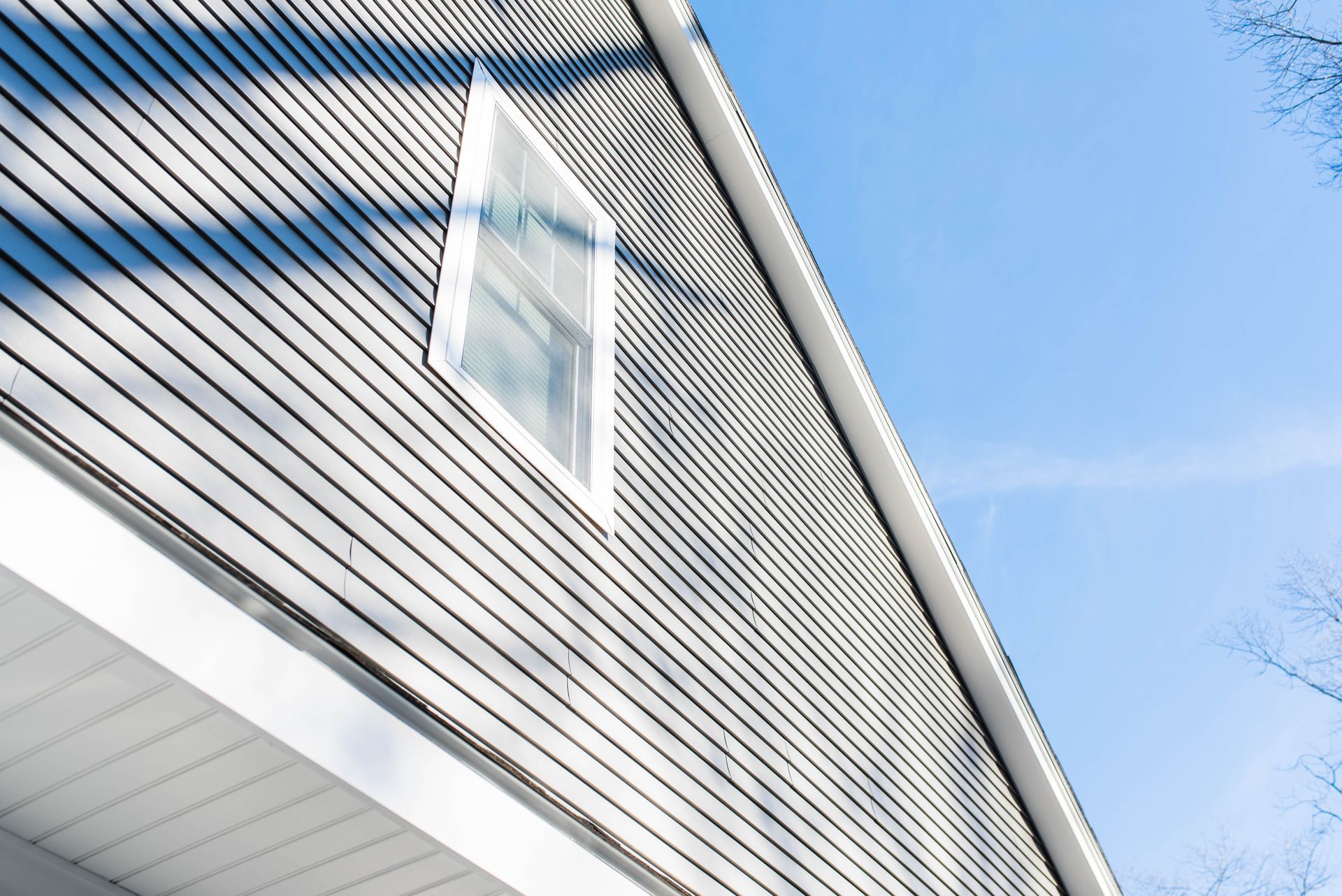
Installation begins with removing damaged boards and examining the sheathing underneath for rot, water stains, or structural weakness caused by years of moisture intrusion, because covering compromised framing with new cladding only hides the problem until the wall fails under snow load or wind pressure. Heritage replaces any sheathing that has delaminated or shows mold growth, then installs a weather-resistant barrier that sheds bulk water while allowing vapor to escape, which prevents trapped moisture from degrading the new siding. Each board is primed on the back surface and edges before installation so the wood is sealed against moisture absorption even where it contacts the wall or overlaps adjacent pieces.
After installation, your walls are clad with wood that resists moisture infiltration, maintains paint adhesion, and flexes with seasonal temperature changes without cracking or pulling away from fasteners. You notice the cladding remains tight to the building, paint does not blister or peel within the first two years, and boards do not warp or twist as they cycle through wet and dry seasons. The siding performs as a weather barrier that protects the framing rather than becoming a maintenance problem that requires constant repair.
Licensed and insured work means the installation meets manufacturer guidelines and local building codes, so warranties remain enforceable and inspections pass without requiring corrections after the job is finished. Heritage operates with a commitment to doing things correctly from the start, which prevents the callbacks and failures that result when moisture management steps are skipped to save time.
What Homeowners Often Want to Know
Property owners in Antonito and the surrounding valley considering wood siding often ask about durability in high-altitude conditions, what preparation steps are necessary, and how to tell when existing siding has reached the end of its functional life.
Why does wood siding fail faster in the San Luis Valley than at lower elevations?
Intense UV radiation at high altitude degrades paint and wood fibers faster, and monsoon moisture followed by hard freezes creates rapid expansion and contraction that splits boards not properly sealed against moisture.
What does back-priming wood siding involve and why does it matter?
Back-priming applies primer to the rear surface and edges of each board before installation, sealing the wood so moisture cannot enter from behind and cause the board to cup, warp, or rot from the inside.
How can I tell if the sheathing under my existing siding is damaged?
Soft spots when you press on the siding, visible water stains at window sills or corners, or boards that have pulled away from the wall all indicate sheathing damage that must be repaired before new cladding is installed.
When should wood siding be replaced rather than repaired?
Replace when more than thirty percent of boards show rot or splitting, when paint fails repeatedly despite proper surface prep, or when the sheathing underneath has deteriorated to the point that individual board replacement no longer makes sense.
What type of wood siding works best in mountain climates?
Cedar and pine are commonly used in the valley, with cedar offering better natural rot resistance and pine requiring more frequent painting but costing less upfront.
Heritage Roofing & Siding handles wood siding with the understanding that climate conditions in this region demand proper installation rather than shortcuts that fail within a few seasons. Free estimates include sheathing inspection and moisture barrier recommendations specific to your building. Arrange a consultation to review your siding condition and replacement options.