Roofs Built to Survive Mountain Seasons
Roof Inspections in Antonito for properties affected by snowload and monsoon weather patterns
Heritage Roofing & Siding inspects residential roofs across the San Luis Valley and northern New Mexico following snowload season and after monsoon rains, when damage accumulates between weather events and early detection prevents structural repairs that cost thousands. Annual inspections at this elevation help property owners identify problems while they remain manageable rather than waiting until water stains appear on interior ceilings or rafters begin to sag. The crew evaluates the entire roof system, not just the visible surface, because most failure points develop where homeowners cannot see them from the ground.
Inspections cover the full roof surface and include flashing around chimneys and skylights, pipe boots where plumbing vents penetrate the roof deck, and ridge venting that allows moisture to escape from the attic. When exterior damage signals a deeper problem, the attic inspection is included to check for water intrusion, mold growth on sheathing, or insulation that has become saturated. Southern Colorado freeze-thaw cycles create damage that builds incrementally rather than all at once, so catching deterioration before the next winter season prevents small leaks from turning into structural failures.
Request a property-specific roof evaluation to identify conditions before they worsen.
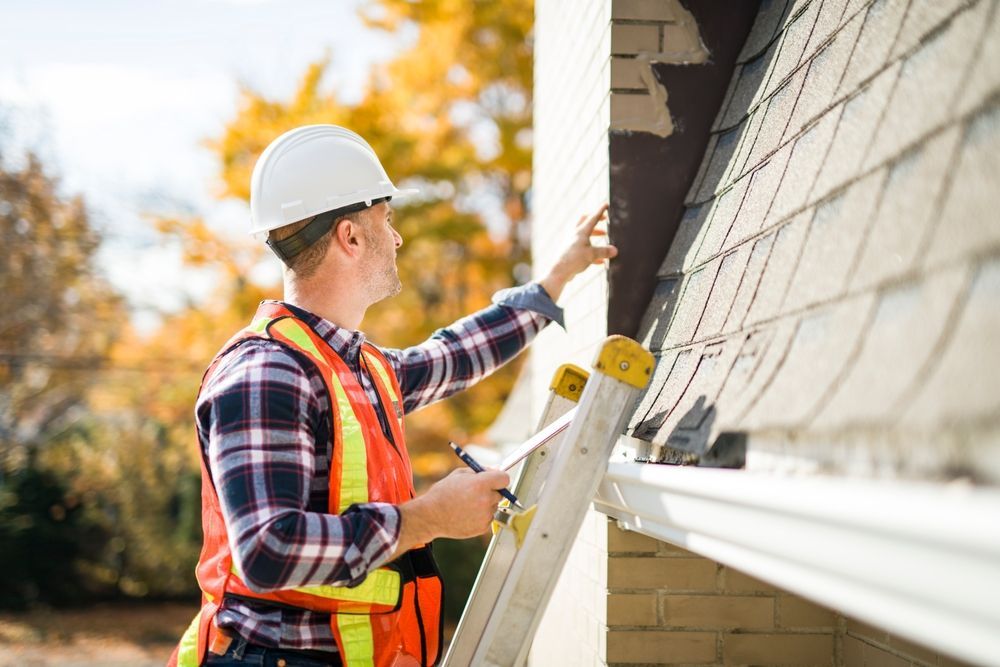
A thorough inspection begins at the eaves and works upward across every section of the roof plane, checking for missing shingles, exposed fasteners, cracked flashing, and granule loss that indicates the material is nearing the end of its functional life. Heritage Roofing & Siding examines transitions where the roof meets walls or changes pitch, since these junctions fail first when ice dams form or wind lifts the edge of roofing material during valley storms. The same owner-operated crew that performs the inspection handles the repair work, so the verbal summary you receive reflects honest assessment rather than a sales-driven recommendation designed to upsell.
After the inspection, you receive a straightforward explanation of what was found, which areas need immediate attention, and what can wait until the next inspection cycle. Problems identified early typically require repair rather than replacement, which preserves the remaining life of the roof system and delays the cost of a full tear-off and reinstall. Licensed and insured work means the findings are documented properly and any recommended repairs meet local building standards without exception.
Heritage probes suspect areas rather than assuming surface appearance tells the whole story, because water damage often spreads beneath intact-looking shingles where rot develops unnoticed until the deck itself fails. Inspections are provided as free estimates, which allows property owners to make informed decisions about timing and budget without pressure.
Questions Property Owners Usually Ask
Homeowners scheduling roof inspections in Antonito and surrounding mountain communities often want to know what the process involves, how long it takes, and what signs indicate a roof needs professional evaluation rather than just visual checks from the ground.
What does the attic inspection check for during a roof evaluation?
The attic inspection looks for water stains on sheathing, mold growth, saturated insulation, and daylight visible through the roof deck, all of which indicate active leaks that may not yet show up inside living spaces.
How often should roofs in the San Luis Valley be inspected?
Annual inspections after snowmelt and again following monsoon season allow you to catch damage caused by freeze-thaw cycles and heavy rain before the next winter arrives.
What is the difference between a roof inspection and a home inspection?
A roof inspection examines the entire roofing system in detail, including flashing, ventilation, and underlying structure, while a home inspection provides a general overview that often misses problems hidden at transitions and penetrations.
Why do pipe boots and flashing fail before the rest of the roof?
Pipe boots are made from rubber or plastic that degrades faster than shingles under high-altitude UV exposure, and flashing fails when thermal expansion and contraction loosens fasteners or cracks sealant at metal edges.
When should I schedule an inspection if I am planning to sell my property?
Schedule the inspection at least three months before listing so you have time to address any identified problems, which prevents buyers from using roof condition as a negotiation tool or walking away during due diligence.
Heritage Roofing & Siding operates with a stake in the local area and a commitment to doing things correctly the first time. Arrange a roof inspection to identify specific concerns before seasonal weather causes further damage.